Natural Plant Nutrition
Educational exploration of botanical sources and their role in everyday dietary awareness after age 40
Plant Nutrition Fundamentals
Throughout history, natural plant-based ingredients have been integrated into the dietary traditions of cultures worldwide. From European herbal practices to ancient botanical knowledge, the historical use of plants in everyday nutrition reflects a deep understanding of how diverse botanical sources can contribute to balanced diets. This educational overview explores the role of plant-derived nutrients as part of a well-rounded approach to midlife and mature nutrition.
Natural Mineral Sources
Plant-Based Mineral Content
Various plant sources provide important minerals that support everyday nutritional needs. Understanding where these minerals originate helps build awareness of food composition and dietary diversity.
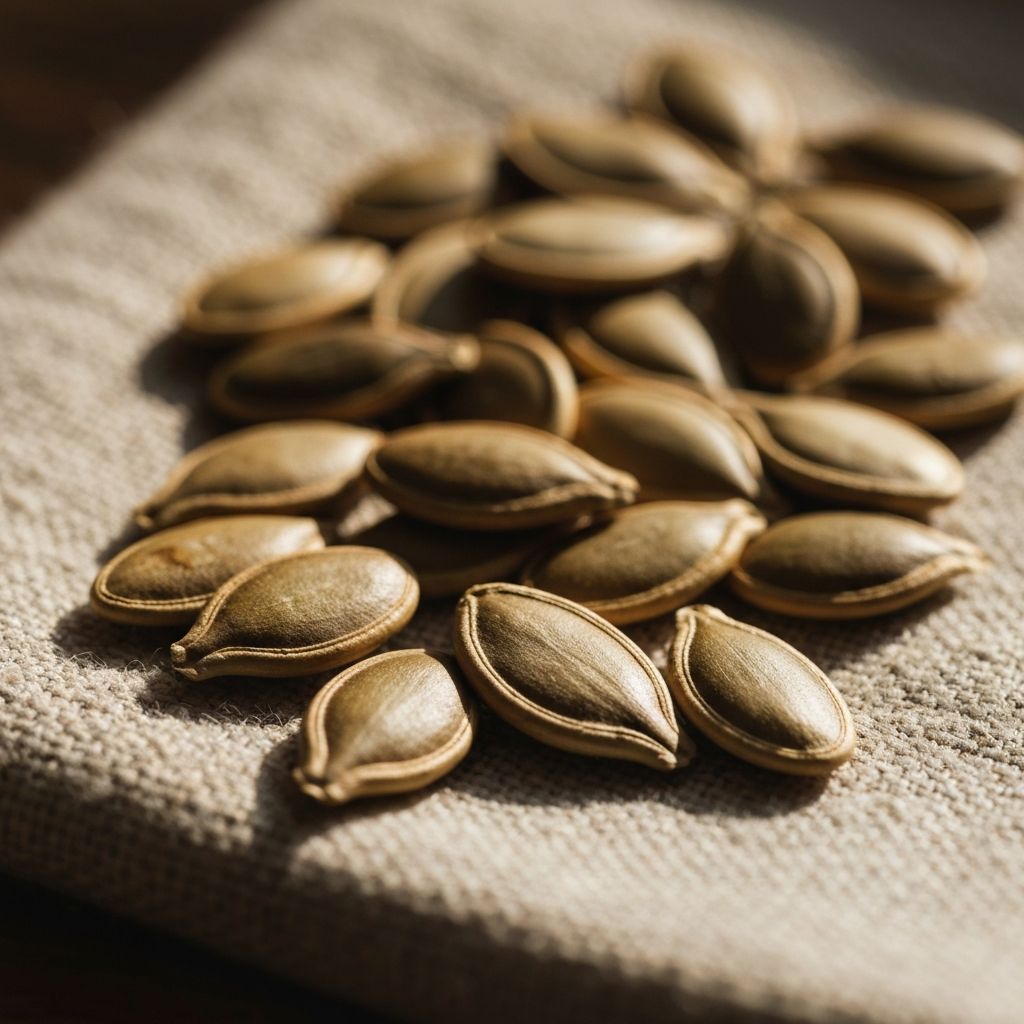
- Zinc - Found in pumpkin seeds, sunflower seeds, and nuts; essential trace mineral
- Magnesium - Present in leafy greens, legumes, and whole grains; important for various bodily functions
- Selenium - Located in Brazil nuts, mushrooms, and whole grains; supports antioxidant systems
- Iron - Available in leafy vegetables, legumes, and dried herbs; critical mineral for everyday health
Herbal Compounds Summary
| Plant Source | Traditional Use Context | General Category |
|---|---|---|
| Yellow Dock Root | European herbal traditions | Mineral-rich herb |
| Ginseng | Historical Asian and European use | Adaptogenic plant |
| Maca | Traditional Andean nutrition | Nutrient-dense tuber |
| Rosehips | European botanical heritage | Vitamin C source |
| Nettle | Traditional European herb | Mineral-rich plant |
| Oat Straw | Historical grain tradition | Nutrient source |
Polyphenol-Rich Elements
Berries, Roots, and Leaves
Many plant sources contain compounds called polyphenols, which are naturally occurring substances found throughout the plant kingdom. These compounds are present in various foods and plants and have been studied extensively for their general properties in plant biology.
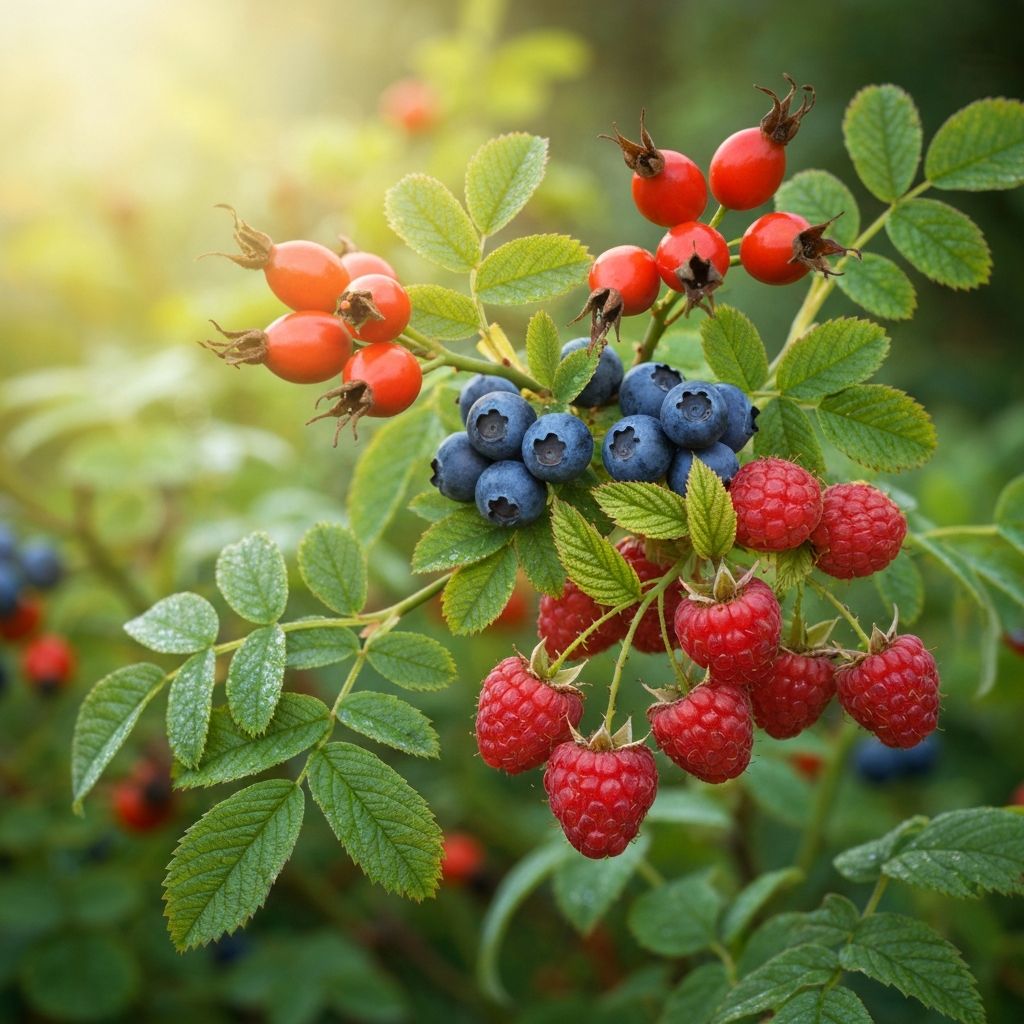
Berries such as blueberries, raspberries, and rosehips contain diverse phytonutrients. Roots like turmeric, ginger, and traditional European varieties offer different phytochemical profiles. Leaves from herbs such as green tea, sage, and oregano represent additional sources of botanical diversity.
Seasonal European Plants
Plant availability varies throughout the year. Understanding seasonal patterns helps frame nutritional awareness and the natural cycles of food availability in European regions.
Spring
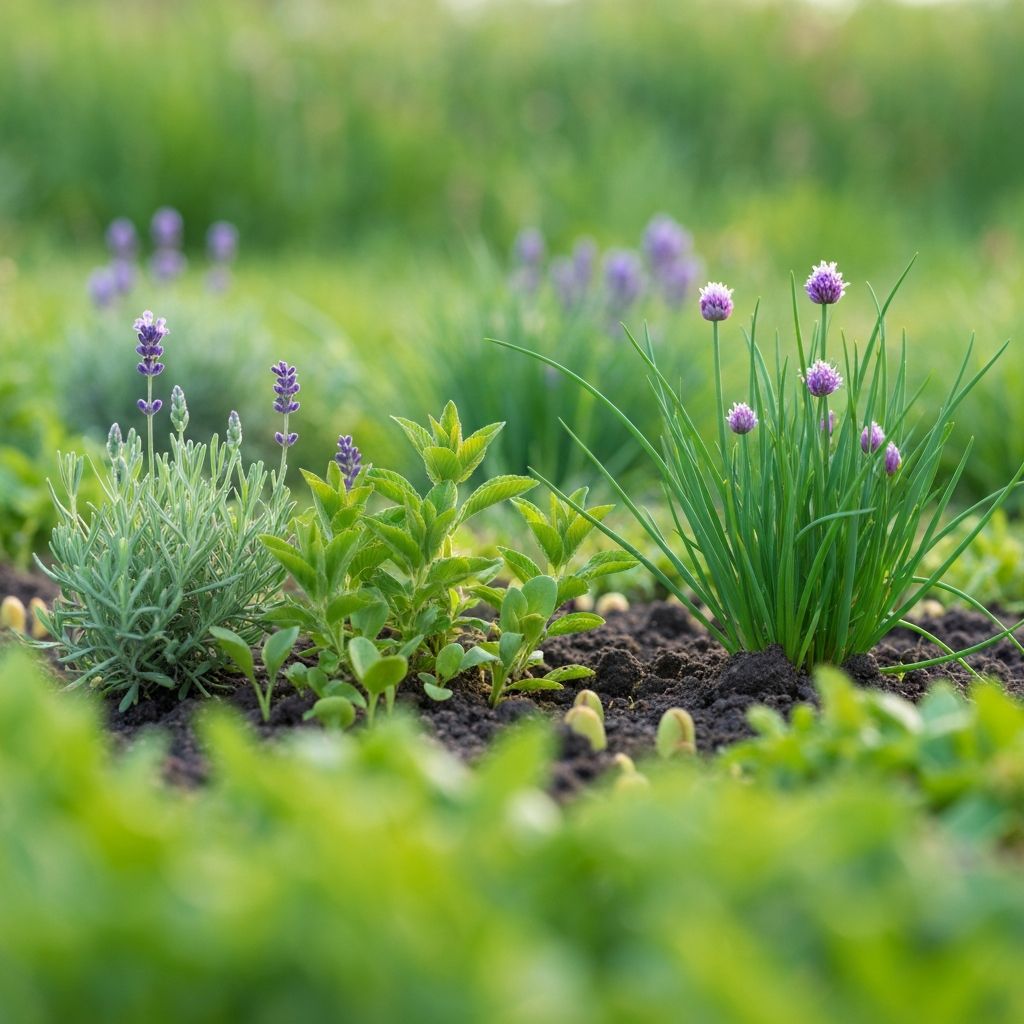
Fresh shoots, young leaves, and early herbs emerge. Nettle, sorrel, and wild greens become available in European gardens.
Summer
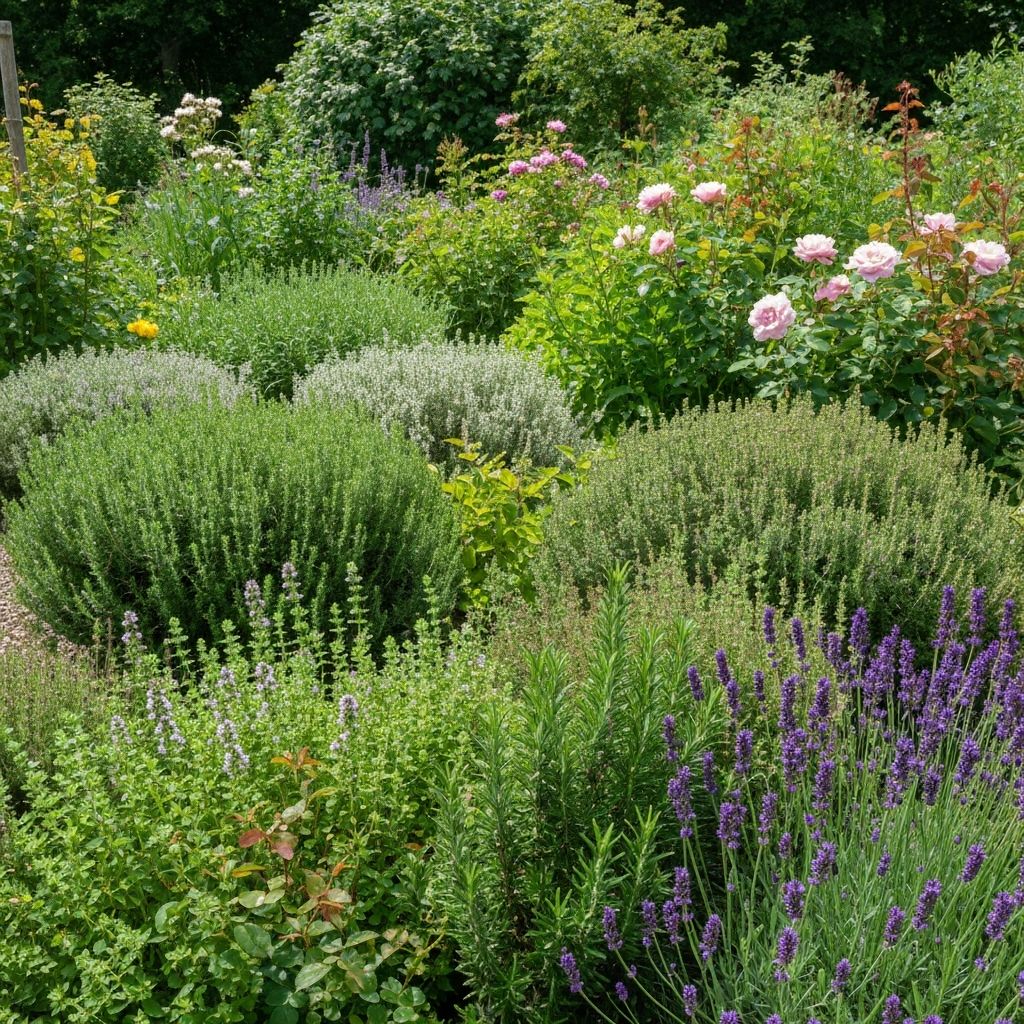
Peak growth season brings abundant herbs, flowers, and developing fruits. Berries ripen and medicinal plants reach full potency.
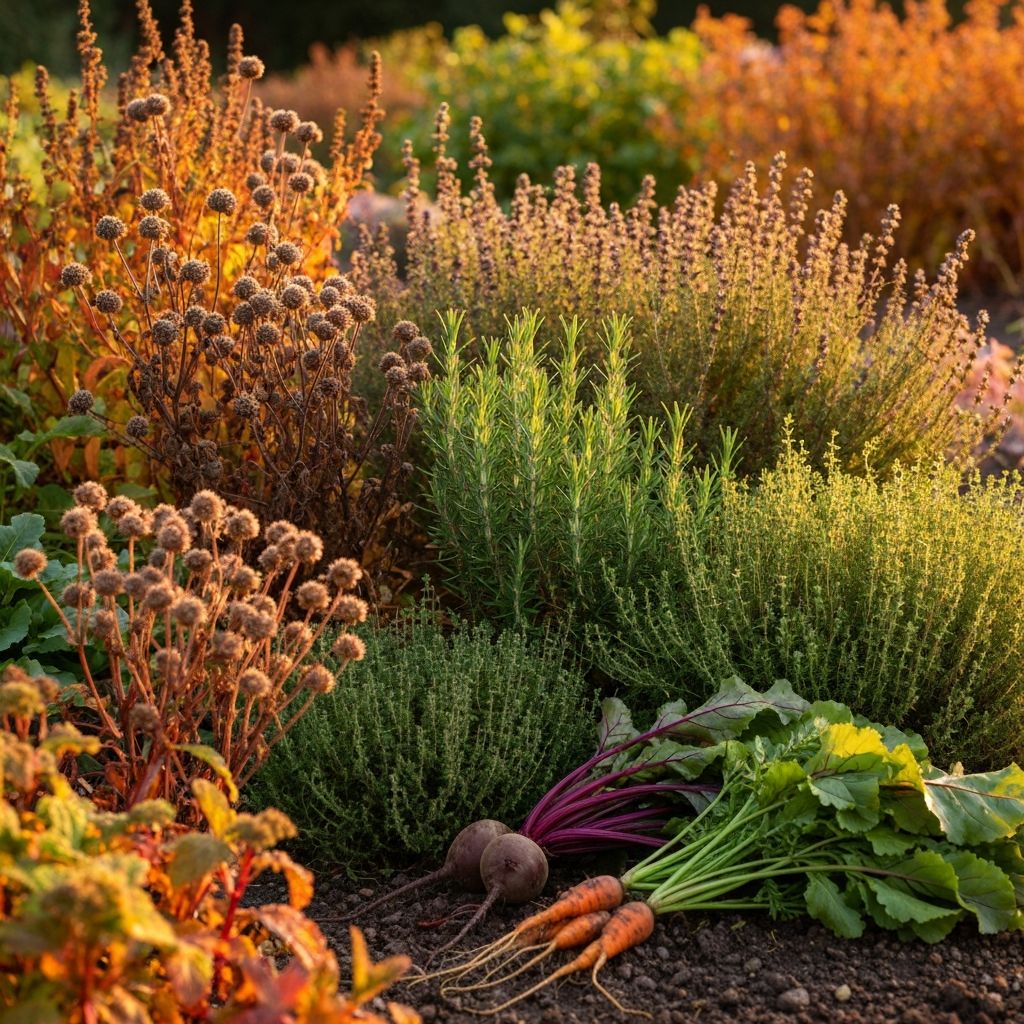
Autumn
Harvest season arrives with seeds, roots, and dried materials. Root vegetables and stored herbs become primary nutritional sources.
Nutrient Uptake Factors
Understanding Bioavailability
Bioavailability refers to how well the body can absorb and utilize nutrients from food sources. Several factors influence this process:
- Plant preparation methods - Different cooking and preparation techniques affect nutrient availability
- Individual digestive factors - Each person's digestive system processes foods uniquely
- Food combinations - Certain foods eaten together may enhance nutrient absorption
- Overall dietary diversity - A varied diet supports comprehensive nutrient intake
Scientific study of these factors helps build general understanding of how plant-derived nutrients function within everyday nutrition. This information contributes to broader nutritional awareness without providing individual dietary recommendations.
German Botanical Heritage
Traditional European Plant Practices
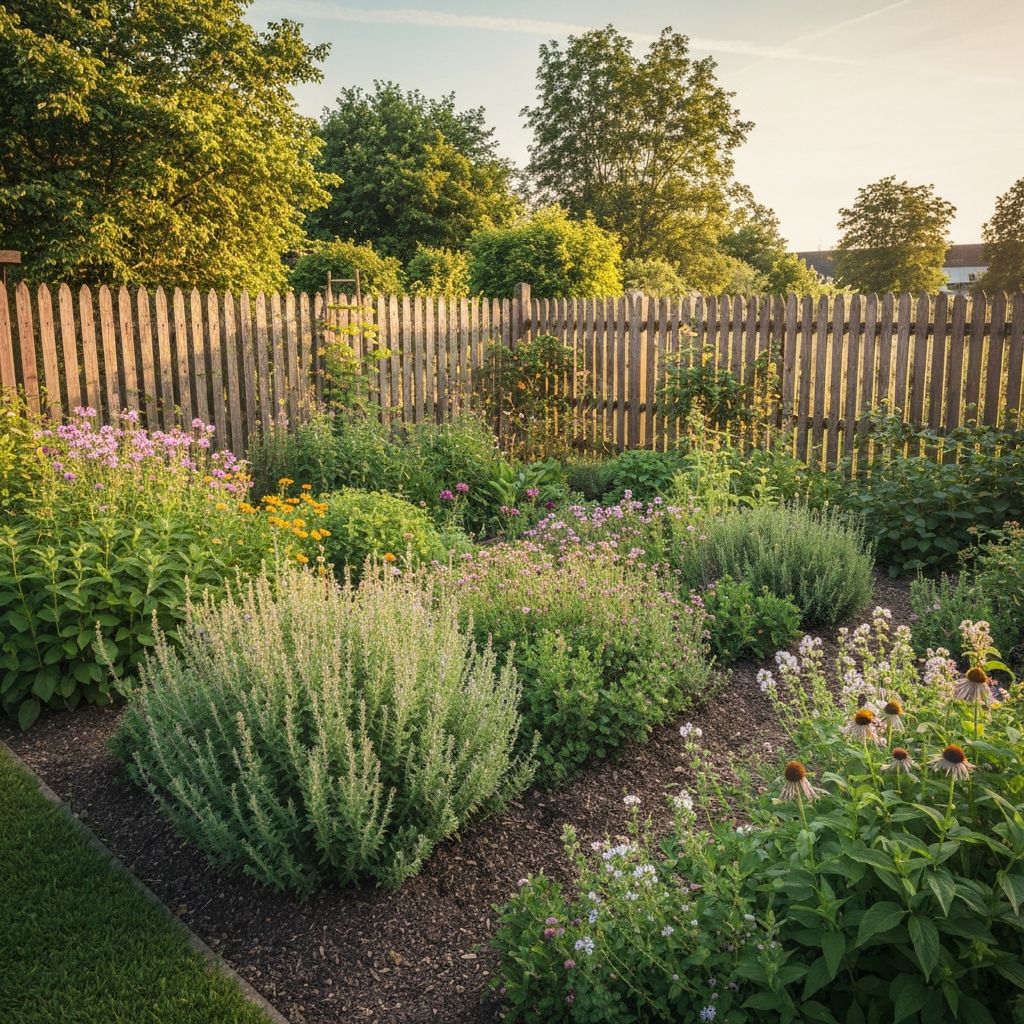
Germany has a rich history of botanical knowledge integrated into food culture and wellness practices. The tradition of using regional herbs, roots, and plants in everyday nutrition reflects centuries of accumulated agricultural and nutritional understanding.
German regions have long cultivated diverse medicinal and culinary herbs. From Alpine regions to the Rhine Valley, local botanical traditions demonstrate how communities adapted natural plant resources to support nutritional needs across seasons and generations.
Understanding this heritage provides context for how plant-based nutrition has been approached in European culture and continues to influence contemporary interest in natural, botanical-based dietary awareness.
Addressing Common Nutrition Myths
Myth: Single foods are nutritional solutions
Reality: Balanced nutrition requires dietary diversity. No single plant source provides all needed nutrients; varied intake supports comprehensive nutritional needs.
Myth: Natural always means better
Reality: Being plant-derived does not automatically make something nutritionally superior. Proper preparation, quality, and balanced use matter more than origin alone.
Myth: Herbal use requires no consideration
Reality: Like all dietary components, plant-based foods and herbs require mindful, balanced consumption. Consulting healthcare providers about personal needs is important.
Myth: Traditional use proves efficacy
Reality: Historical use provides context but not scientific proof. Modern research methodologies help verify benefits and establish evidence-based understanding.
Botanical Research Overview
Scientific Study of Plants
Modern botanical research uses systematic methodologies to study plant compounds and their properties. Research approaches include:
- Laboratory analysis - Chemical composition studies of plant compounds and their structures
- Observational research - Tracking dietary patterns and their general associations with nutritional awareness
- Mechanism studies - Examining how plant compounds function at biological levels
- Systematic reviews - Comprehensive analysis of multiple studies to identify patterns and evidence quality
Research in this field contributes to general scientific knowledge about plants and nutrition. It is important to understand that research findings describe general properties and patterns, not personalized recommendations for individual use.
Benefits of Dietary Diversity
Why Variety Matters
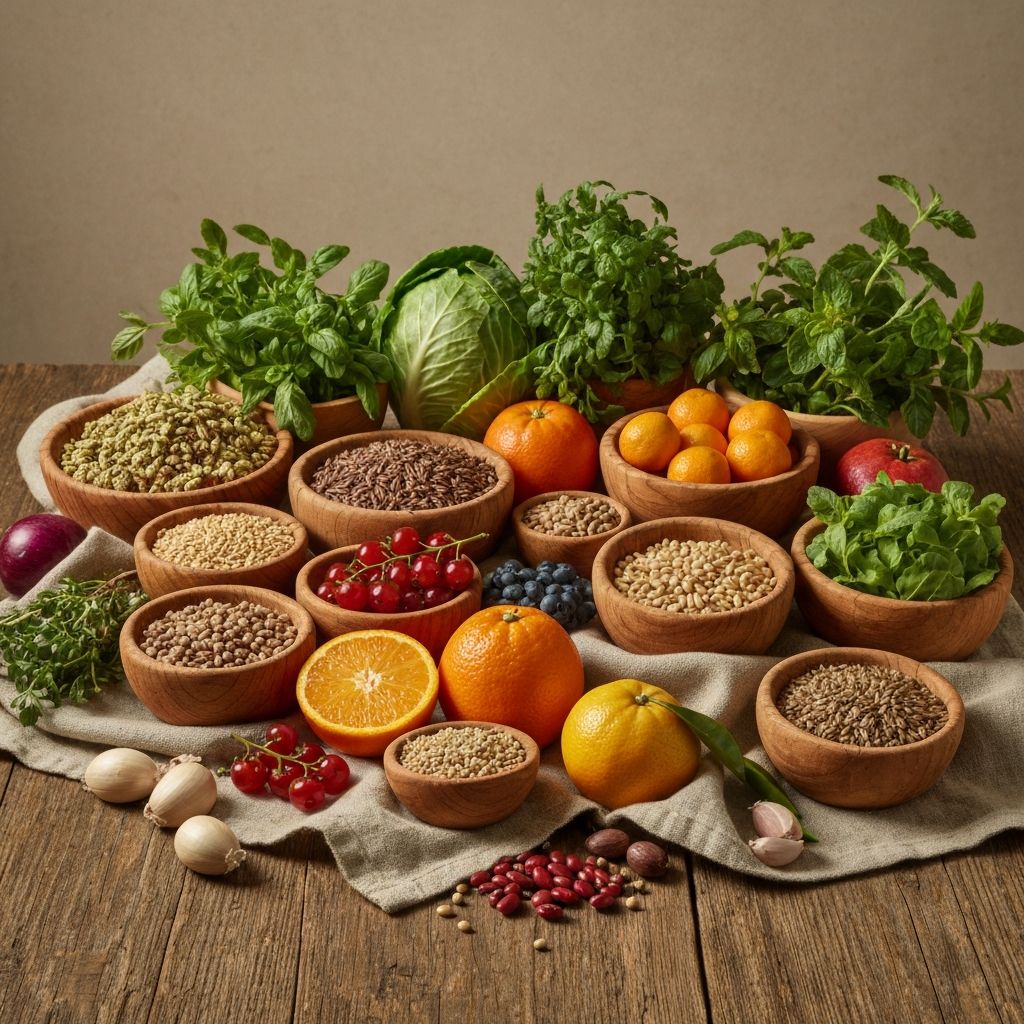
A diet incorporating diverse plant sources provides broader nutritional support than reliance on limited foods. Different plants offer different nutrient profiles, and variety maximizes the range of beneficial compounds available from food.
Diverse plant intake supports:
- Comprehensive micronutrient coverage
- Varied phytonutrient exposure
- Support for healthy digestive function
- Overall balanced nutritional intake
Building a varied plant-based diet remains one of the foundational principles of evidence-based nutritional science for people of all ages.
Nutritional Shifts with Age
Age and Dietary Context
As people age, nutritional needs and considerations may shift. Research on nutrition across different age groups, particularly for men in midlife and mature years, suggests several general patterns:
- Increased micronutrient needs - Some vitamins and minerals require higher intake levels with age
- Protein considerations - Maintaining adequate protein supports muscle and bone health
- Fiber importance - Plant-based fiber supports digestive health and overall wellness
- Antioxidant exposure - Polyphenol-rich foods remain relevant across all life stages
Understanding these general patterns helps frame personal dietary choices within a broader scientific context. Individual nutritional needs remain unique and require consultation with healthcare providers for personalized guidance.
Further Educational Resources
Curated References
For those interested in deeper exploration of botanical nutrition, these neutral, open-access resources provide evidence-based information:
- WHO Guidelines on nutrition for men's health - Official recommendations on balanced dietary approaches
- PubMed Central - Free access to peer-reviewed botanical and nutritional research
- USDA FoodData Central - Comprehensive nutritional composition databases for plant foods
- European Journal of Clinical Nutrition - Open-access research on dietary patterns and plant compounds
These resources support evidence-based learning and personal research into botanical nutrition without promoting specific products or services.
Continue Your Botanical Education
Explore more detailed information about plant-derived nutrition through our educational resources. Every section on this site provides factual, research-based content designed to expand your understanding of natural plant sources and their role in balanced nutrition.
Educational content only. No promises of outcomes.